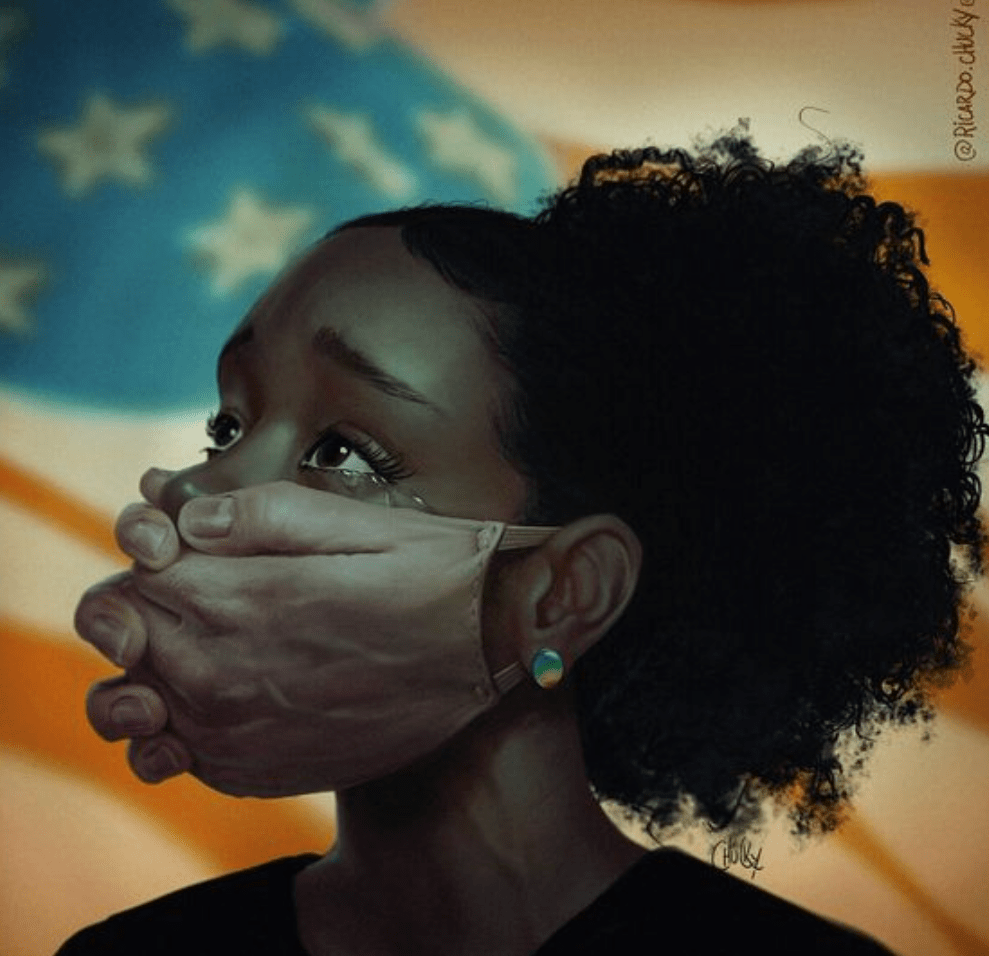
Silence is Complicity. Break it .
Our Foundation
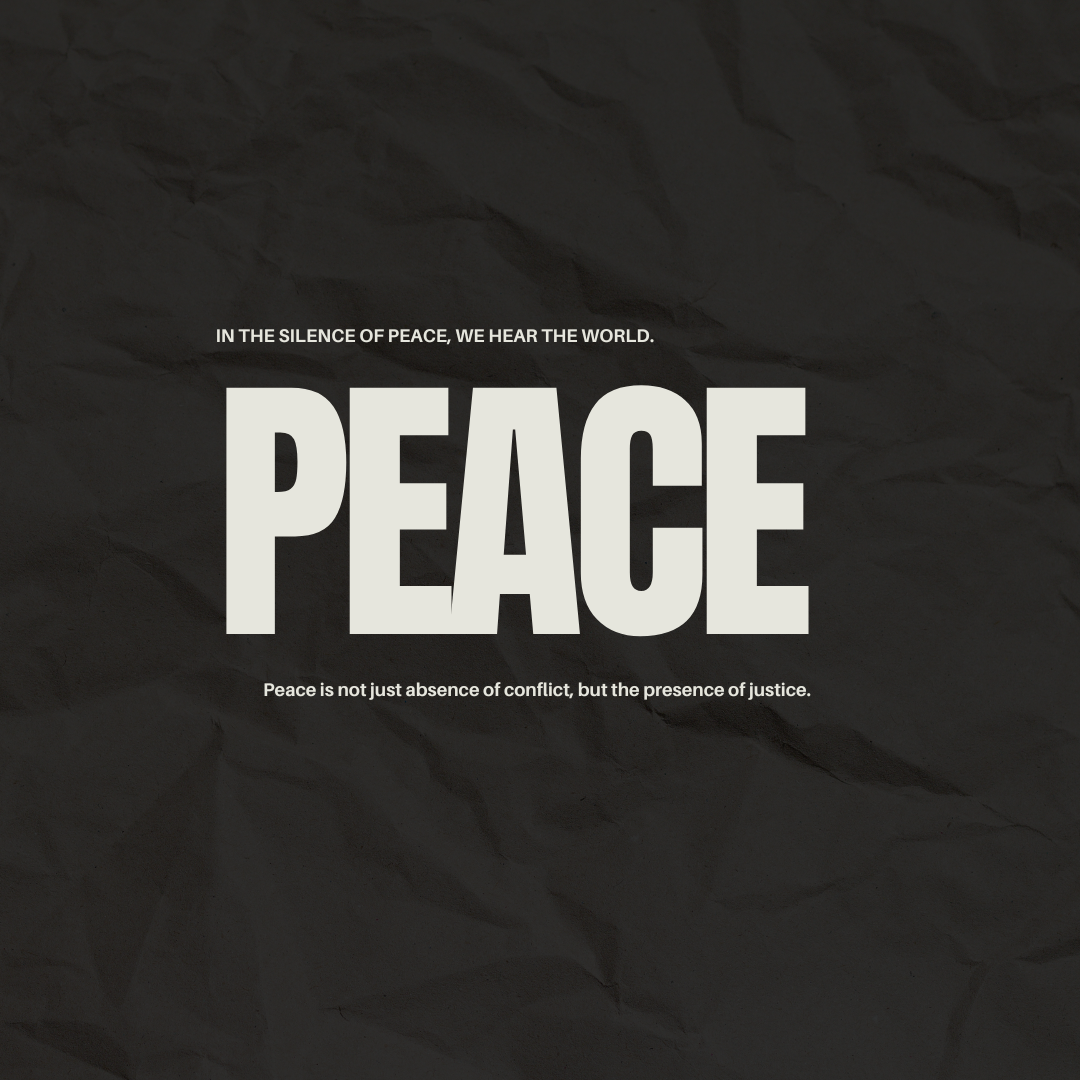
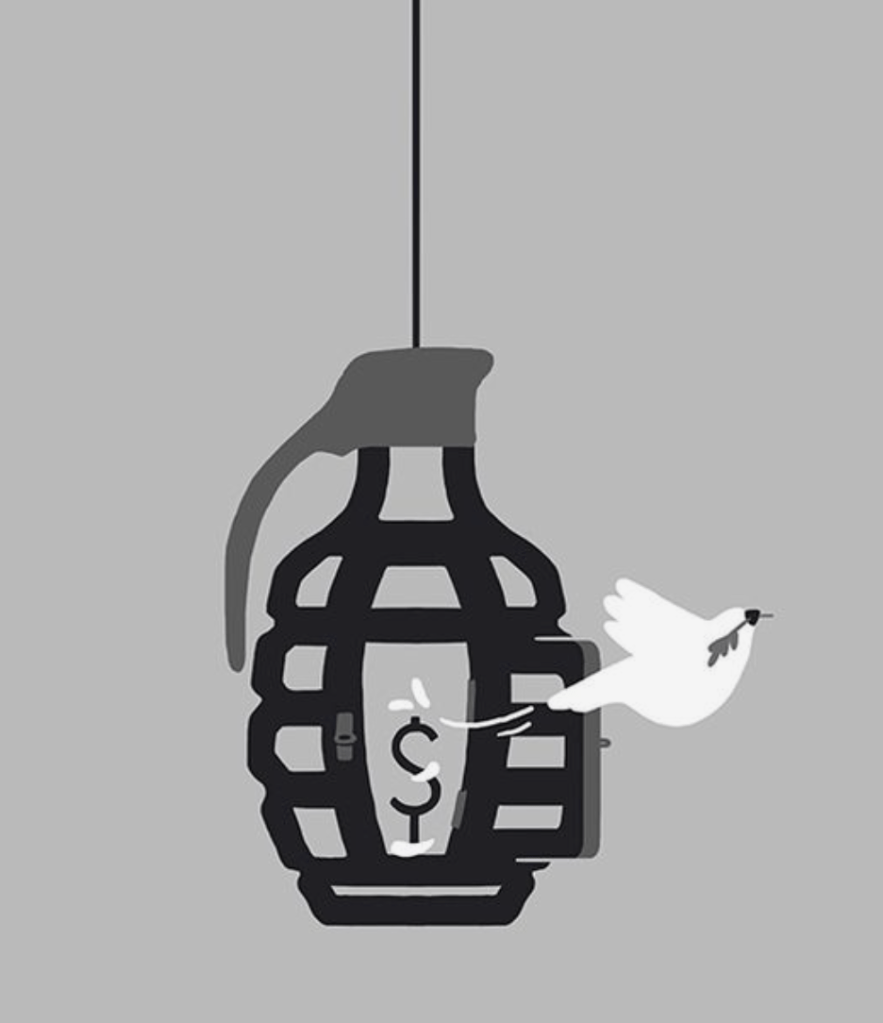
At the International Council on Human Rights, Peace, and Politics, we believe in breaking stereotypes and championing the right to speak freely about human rights, peace, and politics. Power is not merely the ability to narrate the stories of people but to make those stories the definitive narratives of their lives. We work to break this chain of concentration of power in a few hands, and to empower people to narrate their own stories. Peace is not just the absence of conflict; it is synonymous with the provision of basic human rights, food, education, and shelter.
Our foundation is built on the belief that everyone has a voice and that these voices must be heard to foster true peace and justice. We work tirelessly to ensure that the stories of the oppressed are not just told but become the definitive accounts that drive change and inspire action globally. This is our commitment: to empower, to amplify, and to transform.
A LIFE IS A LIFE. NO MATTER HOW IT IS LOST.
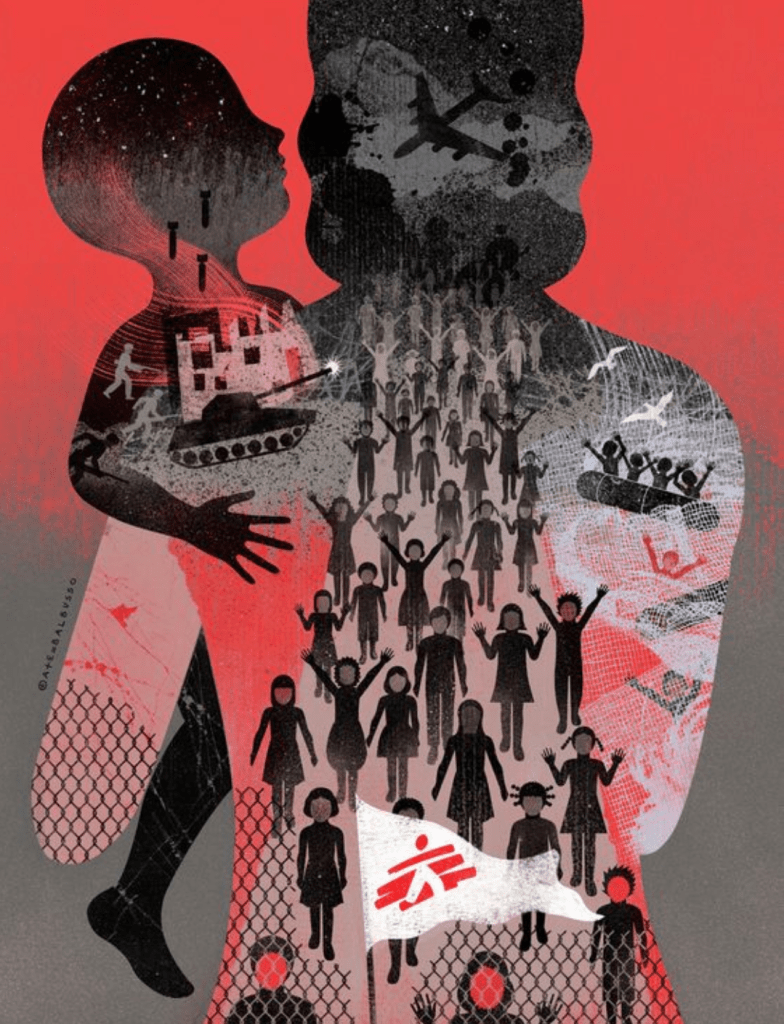
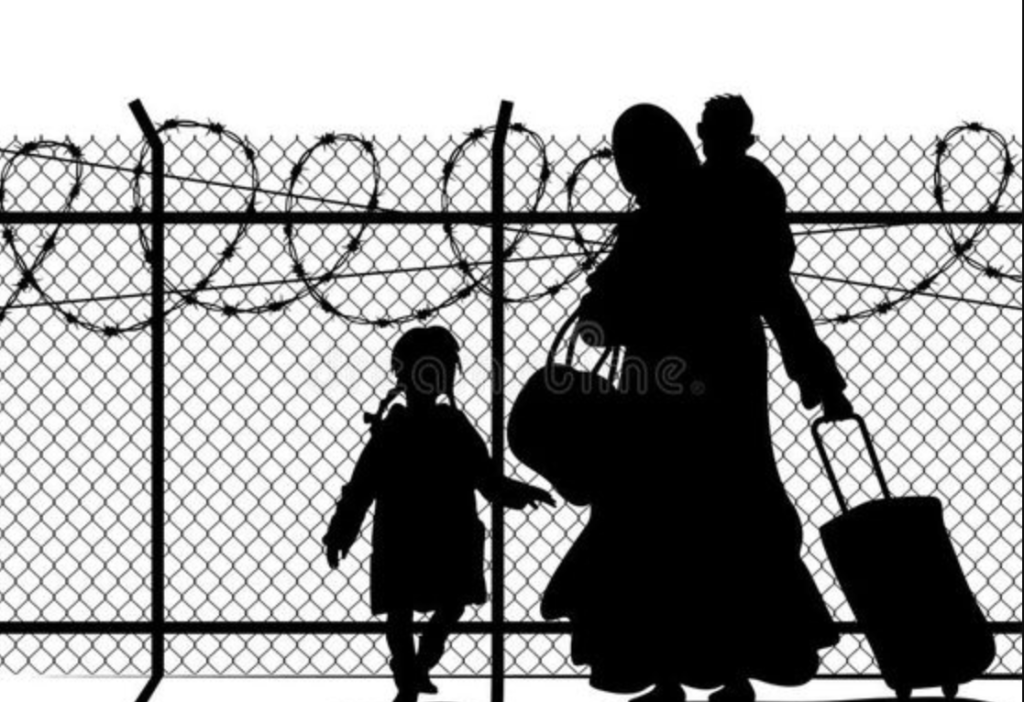
Too often, stories of conflict focus solely on the destruction of property, the disruption of daily lives, and the loss of lives. But it goes beyond that. Whether it is about state-led oppression in Kashmir, the Nakba in Palestine, discrimination and human rights violations against Rohingya refugees, or neocolonial economic and gender exploitation through entrenched patriarchal practices in climate-affected regions, each story demands our attention and action.
Conflict resolution is more than just ending active violence. It encompasses the guarantee of basic human rights, a decent livelihood, sustainable socio-economic living, and inclusion in decision-making processes. We advocate for people who are not writers, who may not even be literate, but who have something important to share. These people, often marginalized and overlooked, engage in a new form of political activism, writing in their own languages, expressing their experiences and demands.
All Humans are not equal. But, why ?
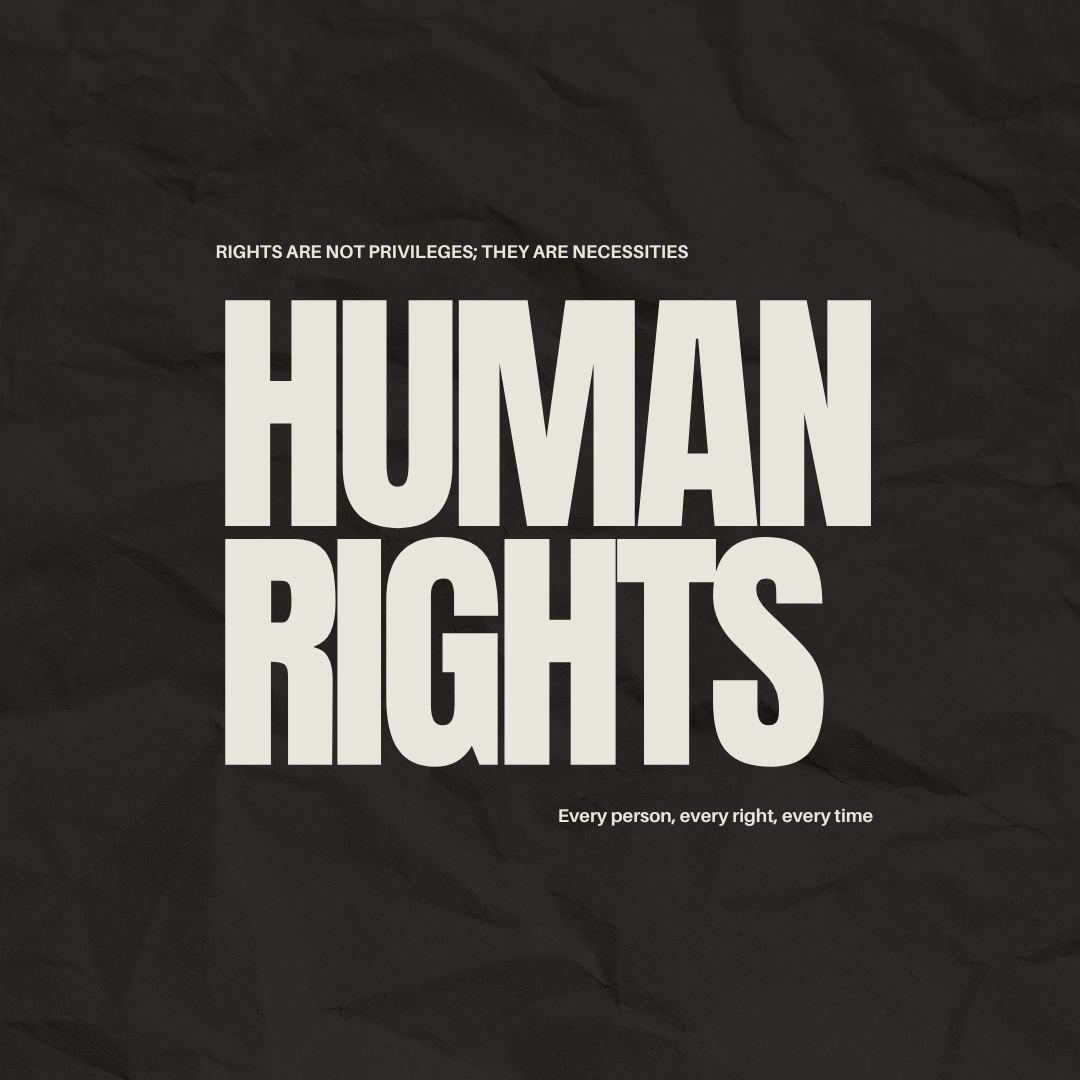
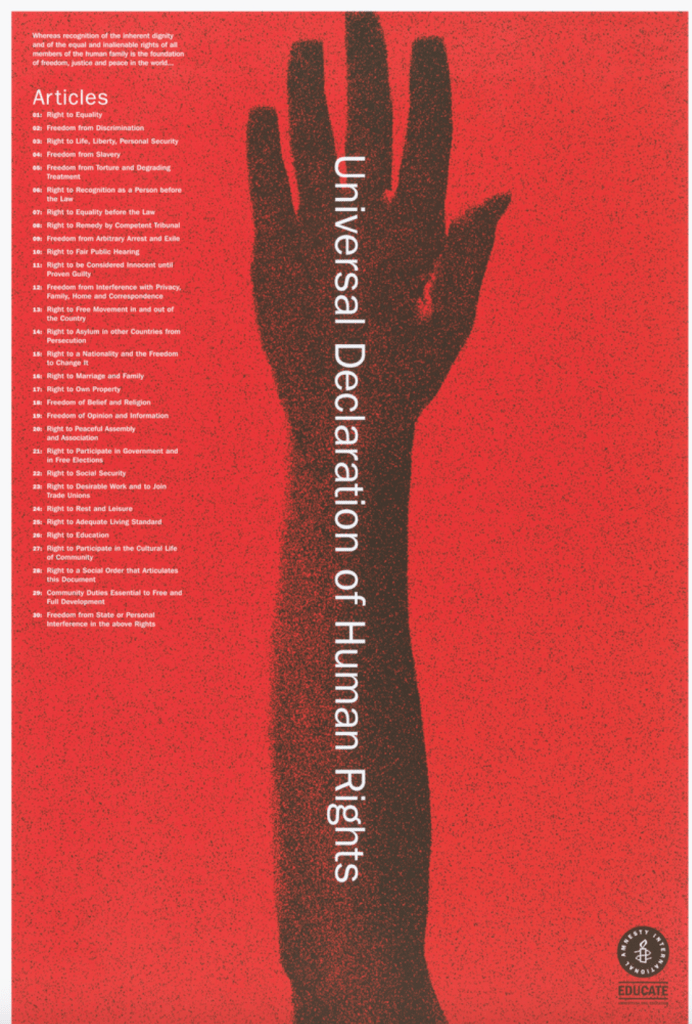
Human rights categorization based on region, race, and power dynamics is a stark reality that highlights systemic inequalities and injustices. Despite the universal declaration of human rights, the lived experiences of individuals often vary drastically depending on their geographical location, racial identity, and socio-economic status. It is imperative to recognize and dismantle systems of privilege and oppression to create a world where all humans truly enjoy equal rights and dignity.
Redefining Peace for Inclusivity
Peace, once seen solely as conflict avoidance, now expands to addressing basic human rights. The historiography of identities empowered by colonial Manichaeism unveils a narrative linked to the evolution of peace. The branding of "climate refugees," arising from displacement politics redefines peace. This rebranding encapsulates the link between migrations and the broader discourse on human rights and environmental justice, challenging conventional peace paradigms.
Rise of new political expression
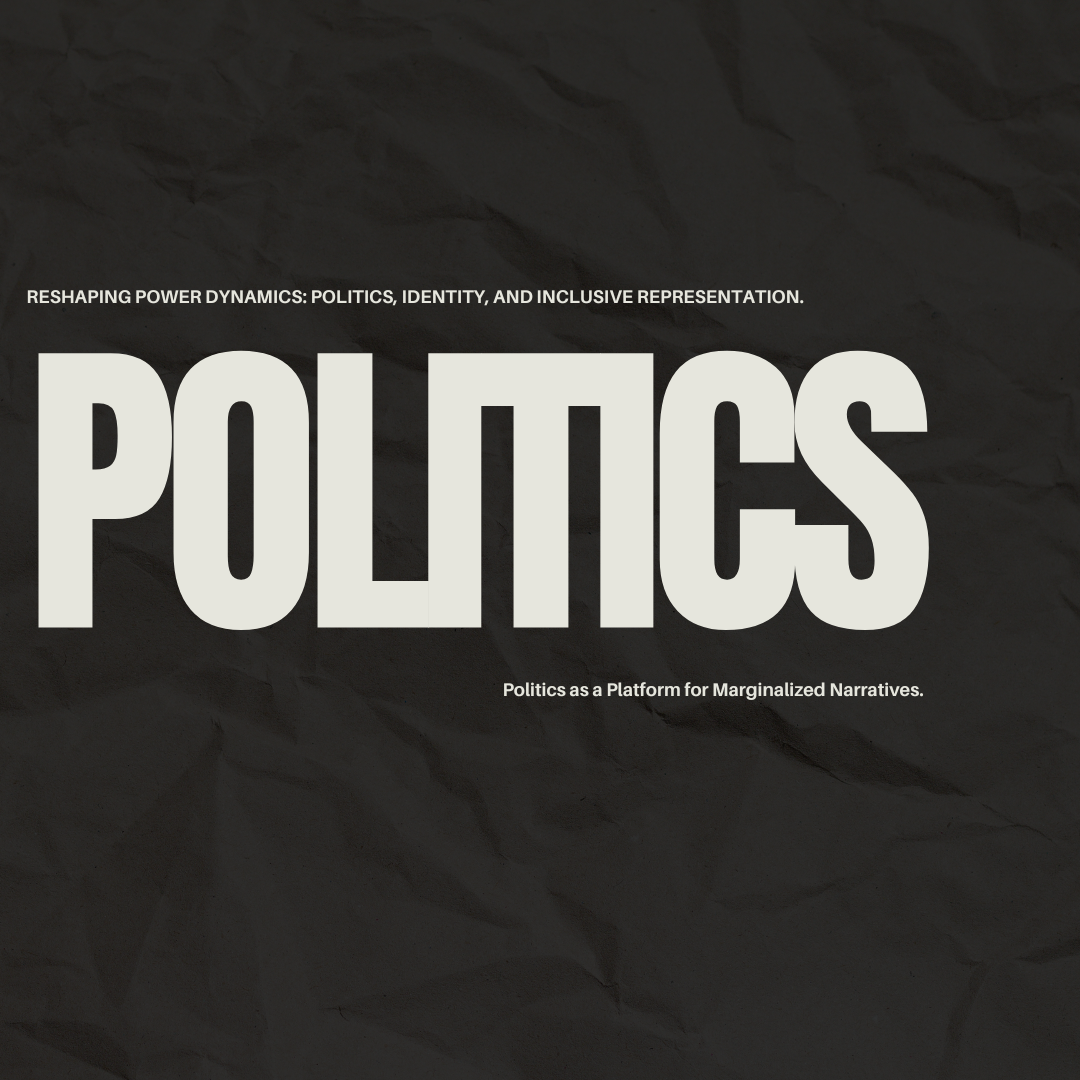
The intersection of violence in politics, power dynamics, and the expression of marginalized voices forms a compelling narrative within politics. The emergence of marginalized voices, especially through innovative linguistic expressions provides a fresh perspective challenging traditional power structures. Media and literature are now scrutinized as influential neocolonial tools, shaping public opinion and perpetuating hegemonic narratives that marginalize diverse perspectives.

Break the Silence. Break the Chains.
The inequality in human rights stems from historical legacies of colonialism, imperialism, and systemic oppression. Structural racism reinforces social hierarchies, denying equal rights and opportunities to marginalized communities and perpetuating cycles of inequality and injustice. Power dynamics, including political, economic, and social power, further contribute to human rights disparities.
Addressing human rights categorization requires a multifaceted approach that tackles root causes of inequality, challenges discriminatory practices, promotes inclusivity and diversity, and empowers marginalized communities to advocate for their rights.
1 WORLD
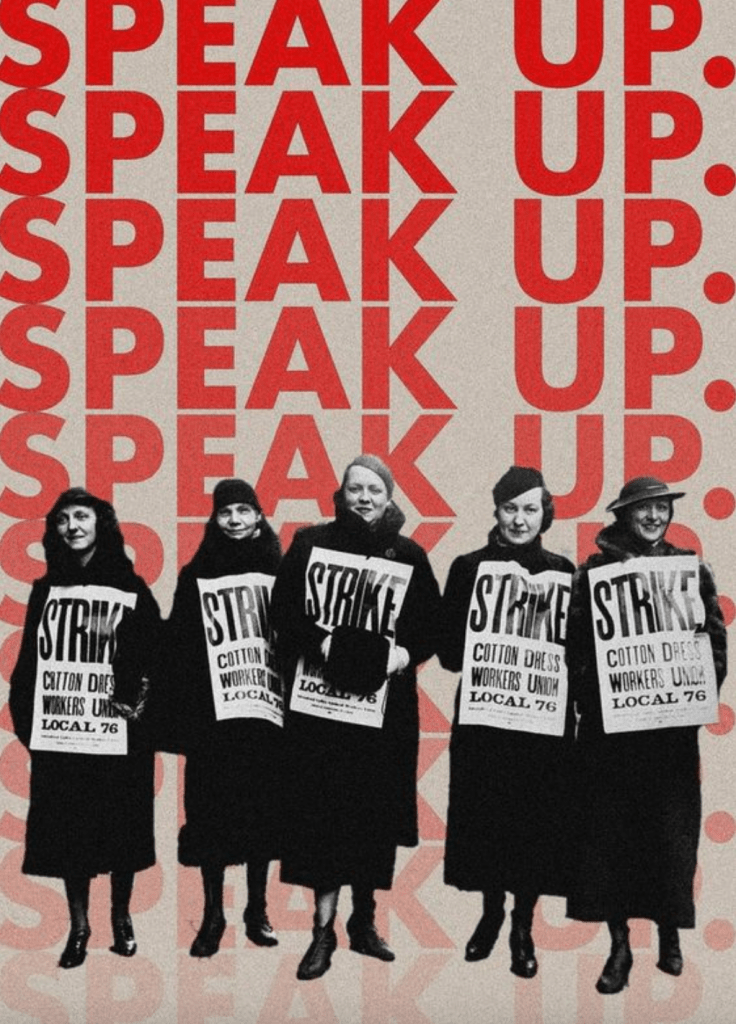
To write is to wield power—the power to tell the truth, the power to demand justice, the power to change the world.
7 CONTINENTS
By writing about peace, we affirm the power of dialogue over division.
195 COUNTRIES
Words have the power to topple regimes and build nations; writing about politics is a revolutionary act.
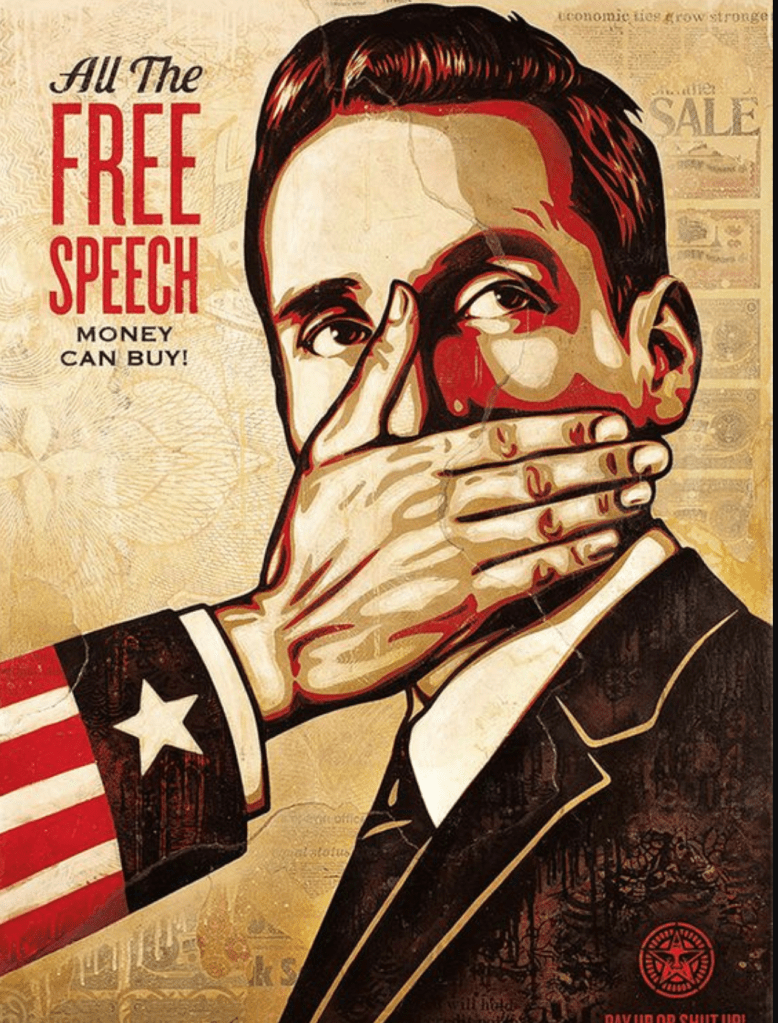


Empowerment begins with YOU.
Be part of a movement that transcends borders and transforms lives. Join our Global Ambassador Program today to advocate for UN SDGs and create a world where every story is heard and valued.
INTERNATIONAL COUNCIL ON HUMAN RIGHTS, PEACE & POLITICS
 INTERNATIONAL COUNCIL ON HUMAN RIGHTS, PEACE AND POLITICS